
Essential Materials & Tools for Wreath Crafting
Everything you need to know about selecting, sourcing, and caring for the materials that make beautiful wreaths possible
What You'll Need to Get Started
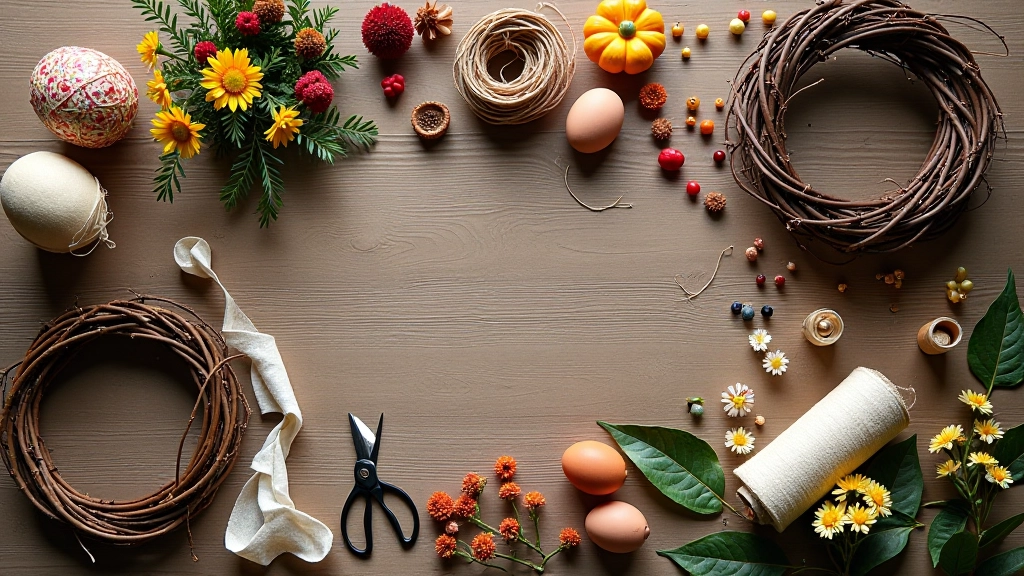
Building a wreath isn't complicated, but it does require the right supplies. The good news? You don't need to spend a fortune or hunt down obscure specialty items. Most materials are available at garden centers, craft shops, or even your local market. We're breaking down exactly what's essential, what's nice to have, and where to find everything without breaking the bank.
Whether you're making an Easter wreath with painted eggs and fresh flowers or an autumn wreath loaded with dried grains and harvest foliage, the core principles remain the same. You'll need a base, structural materials, fillers, and decorative elements. Let's walk through each category so you can shop with confidence.
The Foundation: Choosing Your Base
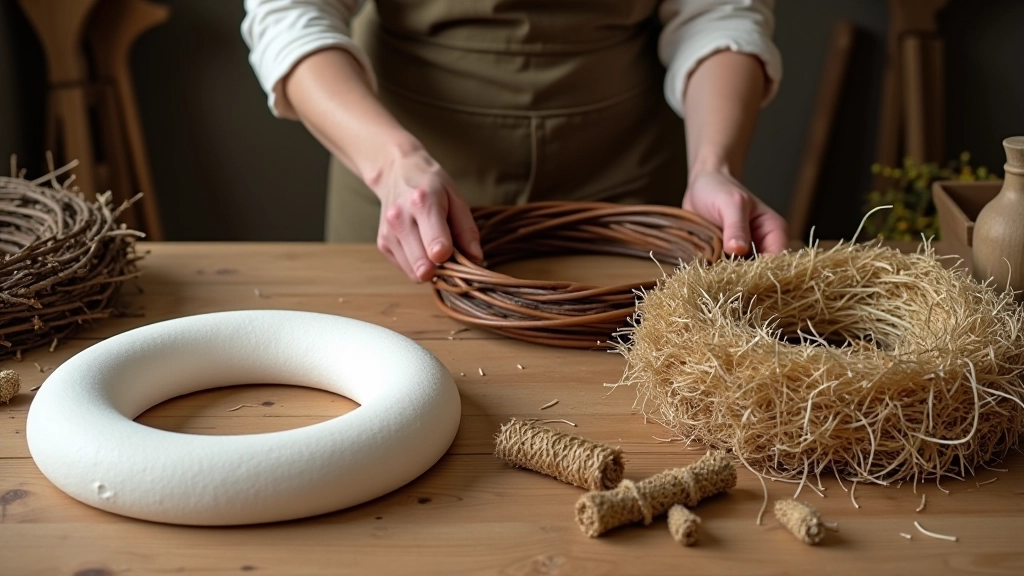
Every wreath starts with a base. This is your skeleton, the structure everything else attaches to. You've got three main options, and each works better for different styles.
Foam Rings
Foam bases are the most forgiving option. They're lightweight, affordable (usually €3-8), and you can push stems, wires, and decorations directly into them without pre-drilling. Fresh flowers and greenery absorb water from the foam, keeping them hydrated longer. If you're painting Easter eggs and want them to last weeks, foam is your best bet. Standard sizes run from 8 inches to 16 inches in diameter.
Straw or Hay Bases
For that rustic, farmhouse aesthetic, straw bases deliver authenticity. They're trickier to work with — materials need wire or hot glue to stay put — but the result looks handmade and natural. Perfect for autumn harvest wreaths. Expect to spend €4-10 per base.
Twig or Branch Frames
These aren't really bases in the traditional sense. They're more like structures you build on. Twig wreaths look organic and sculptural, and they're reusable year after year. You'll wire materials onto them, so expect a steeper learning curve. Prices vary widely (€5-20) depending on construction quality.
Botanicals: The Building Blocks
Once you've got your base sorted, you'll fill it with greenery and florals. This is where your wreath gets its character and volume.
Greenery & Foliage
Fresh greenery provides color, texture, and the foundation for everything else. Eucalyptus is popular because it's flexible and lasts well. Boxwood offers a neat, formal look. Ruscus and Italian ruscus are durable fillers that hide the base. Don't overlook what's available locally — ivy, ferns, and seasonal foliage often cost less and look more authentic to your region.
Dried Materials
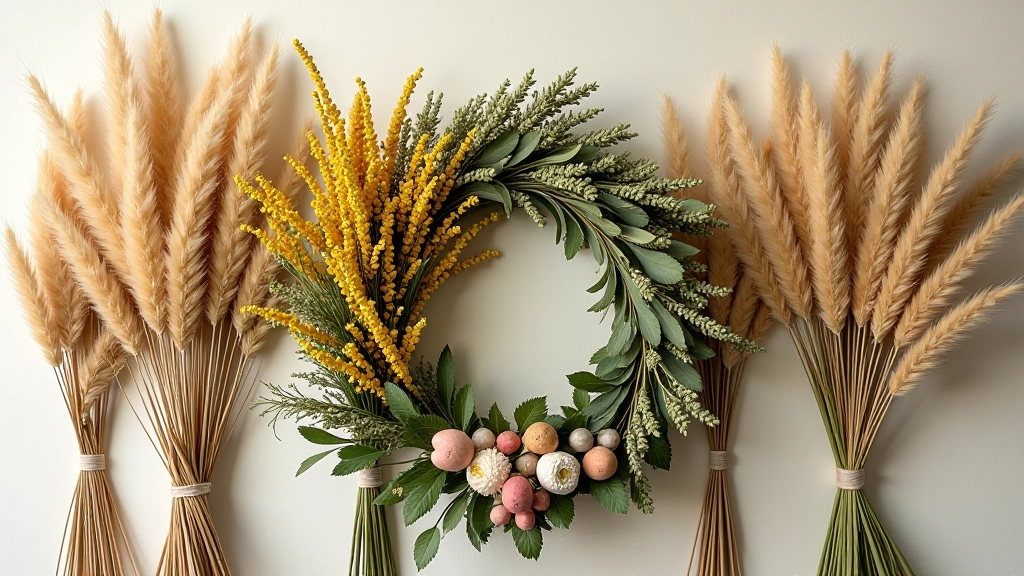
For wreaths meant to last months, dried materials are your workhorse. Pampas grass, wheat bundles, dried hydrangeas, statice, and baby's breath all work beautifully. You can purchase pre-dried bundles (€2-6 per bunch) or dry your own. It's worth buying in bulk if you're making multiple wreaths — prices drop significantly when you purchase 5+ bundles.
Seasonal Florals
Fresh flowers add elegance but require planning. Roses, ranunculus, and tulips work for Easter wreaths. For autumn, look for dahlias, chrysanthemums, and berries. Prices spike during peak seasons, so buying from farmers' markets often beats florists. Fresh flowers last 1-2 weeks maximum, so plan your wreath timing accordingly.
Decorative Accents & Finishes
These are the elements that make your wreath uniquely yours
Ribbons & Bows
A quality ribbon transforms a wreath. Velvet, linen, and silk ribbons feel luxurious. Standard widths are 1.5 to 2.5 inches. You'll need 1-2 yards per bow. Expect €1-3 per yard. Tip: pre-made bows save time if you're not confident with bow-tying.
Painted Eggs & Ornaments
For Easter wreaths, hand-painted eggs are show-stoppers. Real eggs need sealing to prevent cracking. Styrofoam or resin eggs are easier if you're new to painting. Ornaments — ceramic, glass, or resin — add dimension and catch light beautifully.
Wires & Floral Tape
These are your invisible heroes. Floral wire (24 to 28 gauge) secures stems and branches. Floral tape wraps joints and prevents scratches. Stock multiple colors to match your materials. A spool of wire costs €1-2 and lasts through many wreaths.
Hot Glue & Adhesives
A hot glue gun is invaluable for quick fixes and securing lightweight items. Floral adhesive works on foam bases without melting them. Keep both on hand. A decent glue gun runs €8-15, glue sticks are negligible.
Essential Tools of the Trade
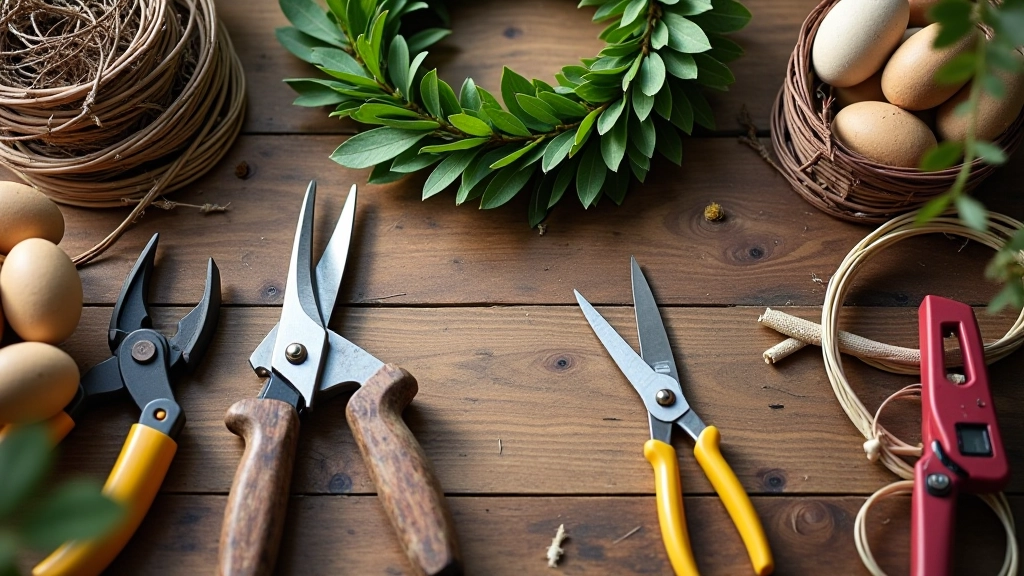
You don't need a full workshop, but a few quality tools make the work faster and cleaner. Here's the starter toolkit you'll actually use.
Pruning Shears or Scissors
Sharp shears cut through stems without crushing them. Dull scissors bruise material and create messy edges. Invest €12-20 in a good pair — they'll last years. Bypass shears (two blades that pass each other) cut cleaner than anvil-style shears.
Wire Cutters
Don't use regular scissors on wire — it ruins the blades. Wire cutters (€5-10) are inexpensive and essential if you're wiring materials. Keep them dedicated to wire work only.
Floral Knife or Utility Knife
A sharp blade trims foam bases, cuts through tough stems, and sharpens flower ends for water absorption. A small floral knife costs €8-12 and becomes indispensable once you start using it.
Hot Glue Gun
Quick fixes and delicate materials need glue instead of wire. A low-temperature glue gun is gentler on foam and florals. Expect €8-15 for a reliable model. Have extra glue sticks ready — they're cheap.
Storage & Care Tips
Keeping materials in good condition extends their life and saves money
Fresh Materials
Store fresh flowers and greenery in cool conditions away from direct sunlight. A basement or garage works perfectly. Keep them hydrated — mist with water every few days. Fresh materials keep 1-2 weeks before they start declining.
Dried Materials
Dried botanicals are more forgiving. Store them in a dry, dark place in labeled boxes. Basements with dehumidifiers are ideal. Avoid moisture and direct heat. Properly stored dried materials last indefinitely — you'll have supplies ready for next season.
Finished Wreaths
Fresh wreaths last longer if kept in a cool place away from heating vents and direct sun. Mist them lightly every few days. Easter wreaths made with painted eggs and greenery typically stay fresh and attractive for 2-3 weeks. Dried wreaths last months or even years with minimal care.
Informational Note
This guide is intended for educational purposes to help you understand wreath-making materials and processes. Availability and pricing of materials varies by location and season. We recommend visiting local suppliers to verify current stock, prices, and seasonal offerings. Always follow safety guidelines when using tools and handling materials, particularly when working with hot glue guns or sharp implements.

Galvvale Editorial Team
Editorial Team
Written by the galvvale editorial team, focused on practical wreath crafting guidance and Kutná Hora heritage techniques. Our guides combine traditional knowledge with modern accessibility, helping crafters at every level create beautiful, lasting wreaths.
Continue Your Wreath Journey
Explore related guides to deepen your skills

Traditional Easter Egg Painting Techniques
Master the art of hand-painting Easter eggs using traditional Kutná Hora methods. Learn brush techniques, color mixing, and authentic patterns passed down through generations.
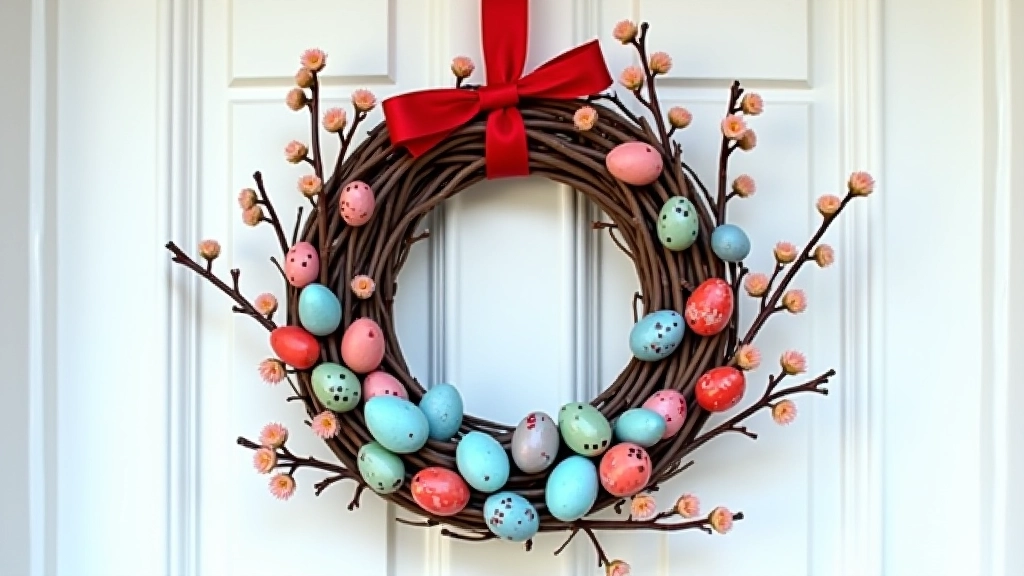
Building Your First Easter Wreath
Step-by-step instructions for assembling a beautiful Easter wreath. From selecting your base to final placement of decorative elements, we'll walk you through each stage.
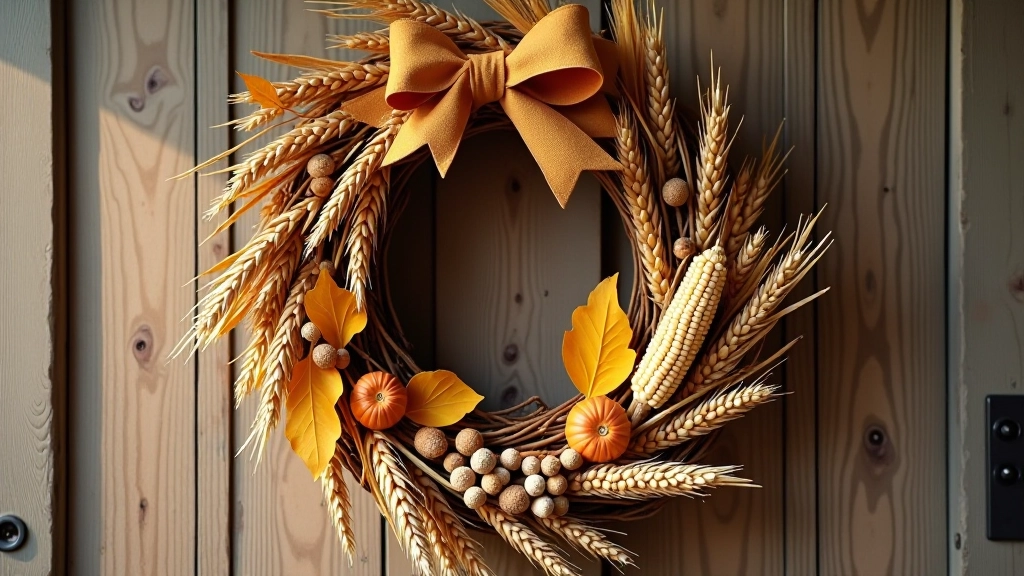
Harvest Wreaths for Fall Decorating
Create a stunning autumn wreath using natural materials like dried grains, leaves, and seasonal elements. Perfect for celebrating the harvest season with rustic elegance.